
Staying Strong: Accepting Rejection


Rejection, from a psychological perspective, refers to the experience of being excluded, dismissed, or denied by others, leading to feelings of sadness, disappointment, and even shame. It can evoke a deep sense of social pain and trigger various emotional and cognitive reactions.
Psychologically, rejection threatens our fundamental need for belonging and connection. When we are rejected, it can negatively impact our self-esteem and self-worth, as we may internalize the rejection as a reflection of our inadequacy or unworthiness. It can also activate the brain's pain centers, making it physically and emotionally distressing.
On the other hand, acceptance holds significant psychological meaning as well. Acceptance refers to the experience of being included, acknowledged, and embraced by others. It satisfies our need for social connection, fosters positive emotions, and contributes to a sense of belonging and wellbeing.
Acceptance is closely related to feelings of validation and worthiness. When we are accepted by others, it affirms our value, fosters positive self-perception, and enhances our overall psychological well-being. It can increase self-confidence, promote a sense of security, and strengthen social bonds, leading to improved mental health and a more positive outlook on life.
In summary, rejection and acceptance both have profound psychological implications. Rejection can cause distress and damage self-esteem, while acceptance satisfies our need for belonging and positively impacts our self-perception and emotional well-being. Understanding these concepts helps us navigate interpersonal relationships and cultivate a supportive and inclusive environment.
Accepting rejection can be challenging, but by incorporating well-being and mindfulness practices, you can develop resilience and maintain a positive outlook. Here are some ideas to help you navigate rejection:
1. Cultivate self-compassion: Treat yourself with kindness and understanding when facing rejection. Remind yourself that rejection is a normal part of life, and it does not define your worth or abilities.
2. Practice mindfulness: Engage in mindfulness exercises such as meditation or deep breathing to stay present and calm. Mindfulness helps you observe your emotions without judgment, allowing you to respond to rejection in a balanced manner.
3. Reframe rejection as redirection: Instead of viewing rejection as a personal failure, consider it as an opportunity for growth and redirection. Recognise that rejection often leads to new and better opportunities that align with your goals and values.
4. Seek support from others: Share your experiences with trusted friends, family, or a support group. Their empathy, encouragement, and advice can provide valuable perspectives and help you maintain a positive mindset.
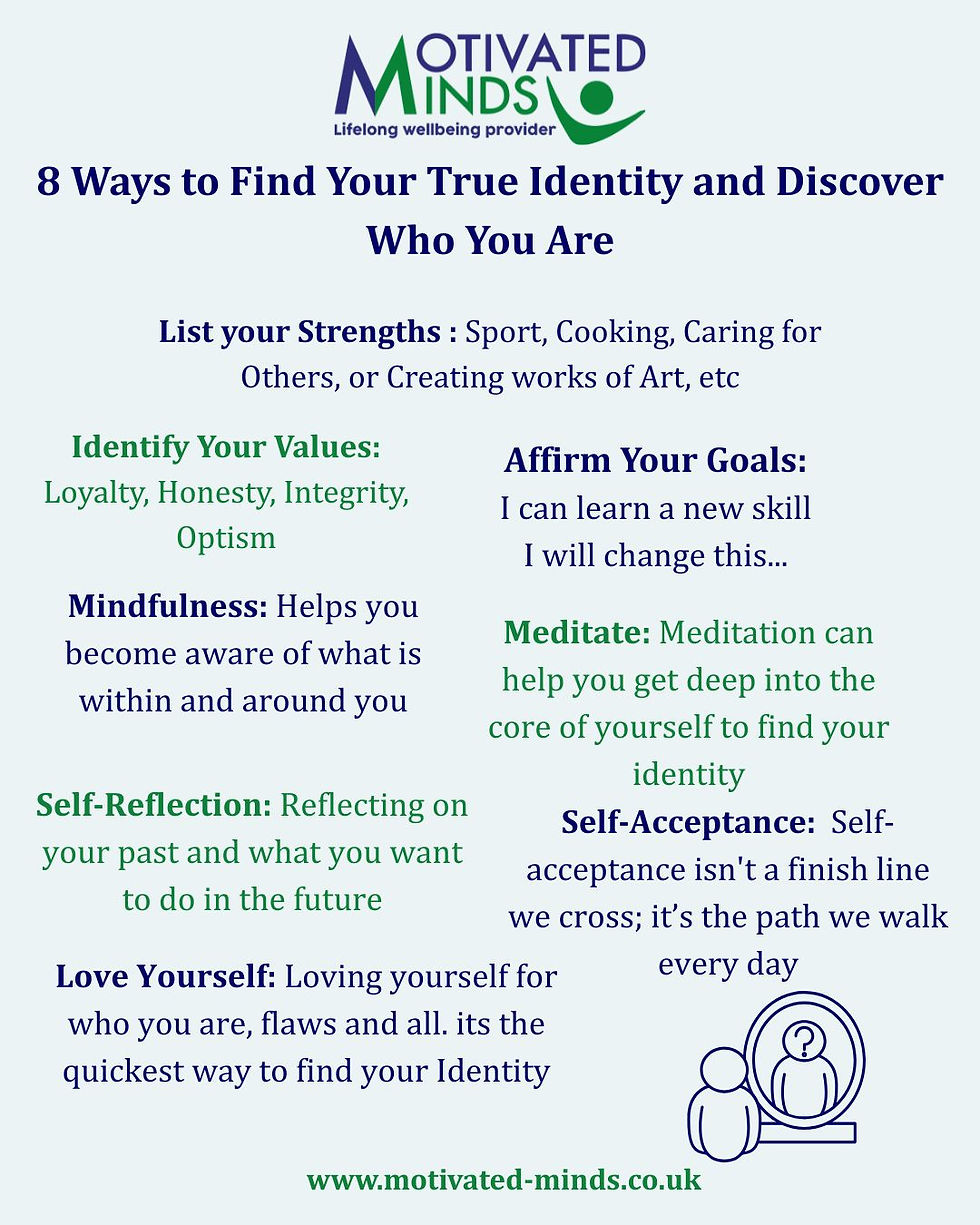
5. Focus on your strengths: Rejection can make you doubt your abilities. Counteract this by reminding yourself of your strengths and past successes. Celebrate your achievements and use them as a reminder of your capabilities.
6. Engage in self-care activities: Engaging in self-care practices, such as exercise, hobbies, or spending time in nature, can help you maintain overall wellbeing and reduce stress associated with rejection.

Comments